

Soil test results decide which septic system your lot can take
Pennsylvania's onlot sewage standards (Chapter 73) choose and size a system based on what lies under the absorption area. The key question is how deep you can go before reaching a "limiting zone", a layer that stops wastewater from soaking away safely.
- Limiting zone 1: a seasonal high water table, seen directly or shown by soil mottling (iron and manganese staining from long saturation).
- Limiting zone 2: rock with open joints or fractures, or loose rock and gravel without enough fine soil to fill the gaps.
- Limiting zone 3: rock or soil so slowly permeable that it effectively blocks wastewater from moving down.
- Chapter 73 sets how much effluent each foot of absorption area can take from soil makeup, depth to a limiting zone and slope.
- Soil evaluations can be made by a qualified soil scientist, registered professional geologist or registered engineer with soils experience.
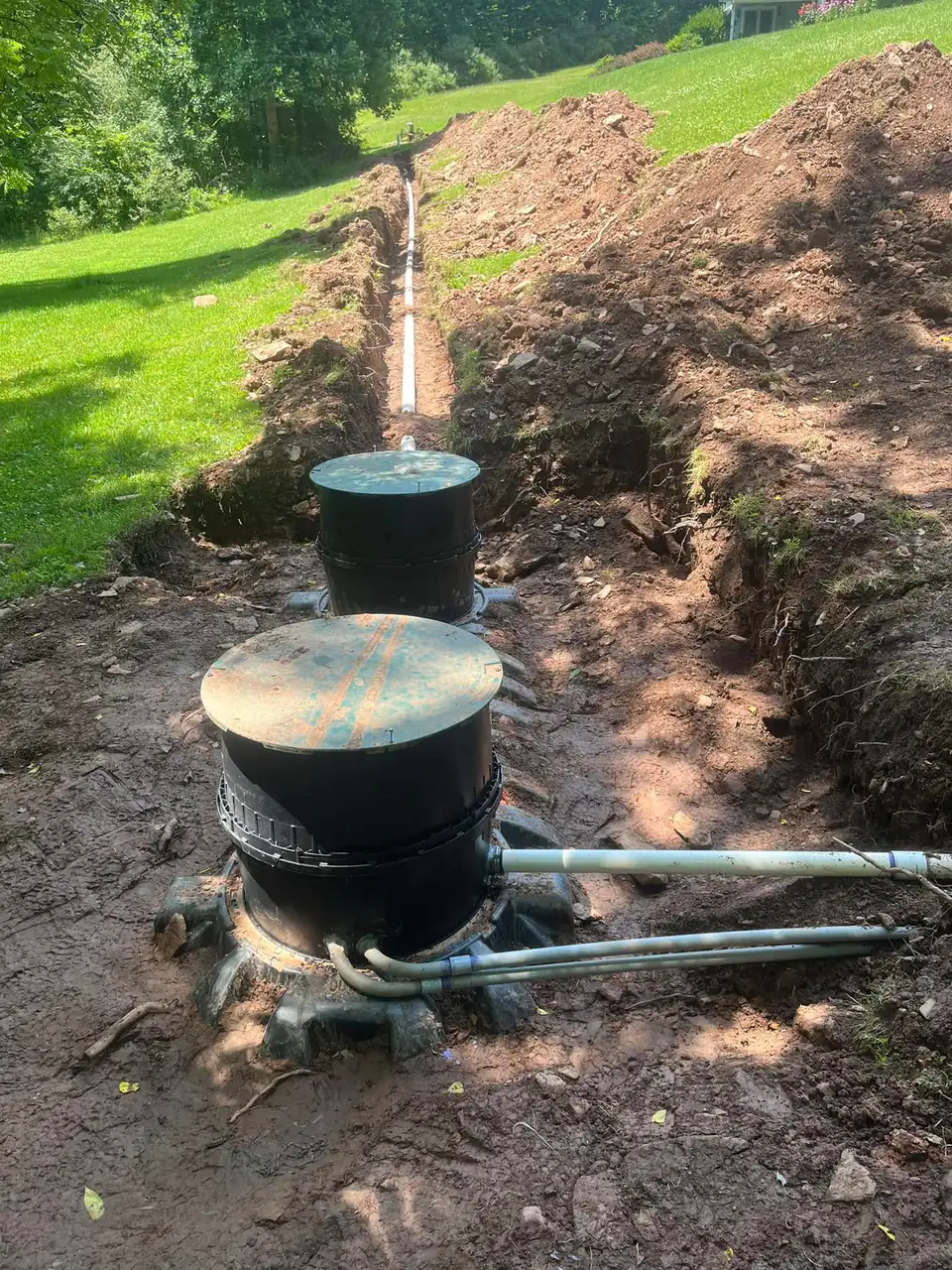
Conventional, alternate and advanced-treatment systems compared by parts
Conventional systems use demonstrated designs the state recognises in Chapter 73.
- Conventional system: demonstrated treatment and disposal methods specifically recognised by Chapter 73.
- Alternate system: a demonstrated onlot method not described in the standard design rules; some are proprietary products.
- Advanced secondary treatment: physical, biological and chemical steps aiming for 10 mg/L or less CBOD5 and suspended solids, per Chapter 73.
- Pumped designs: a dosing pump feeds measured volumes to a pressure-distribution bed; a lift pump moves effluent uphill to the next part.
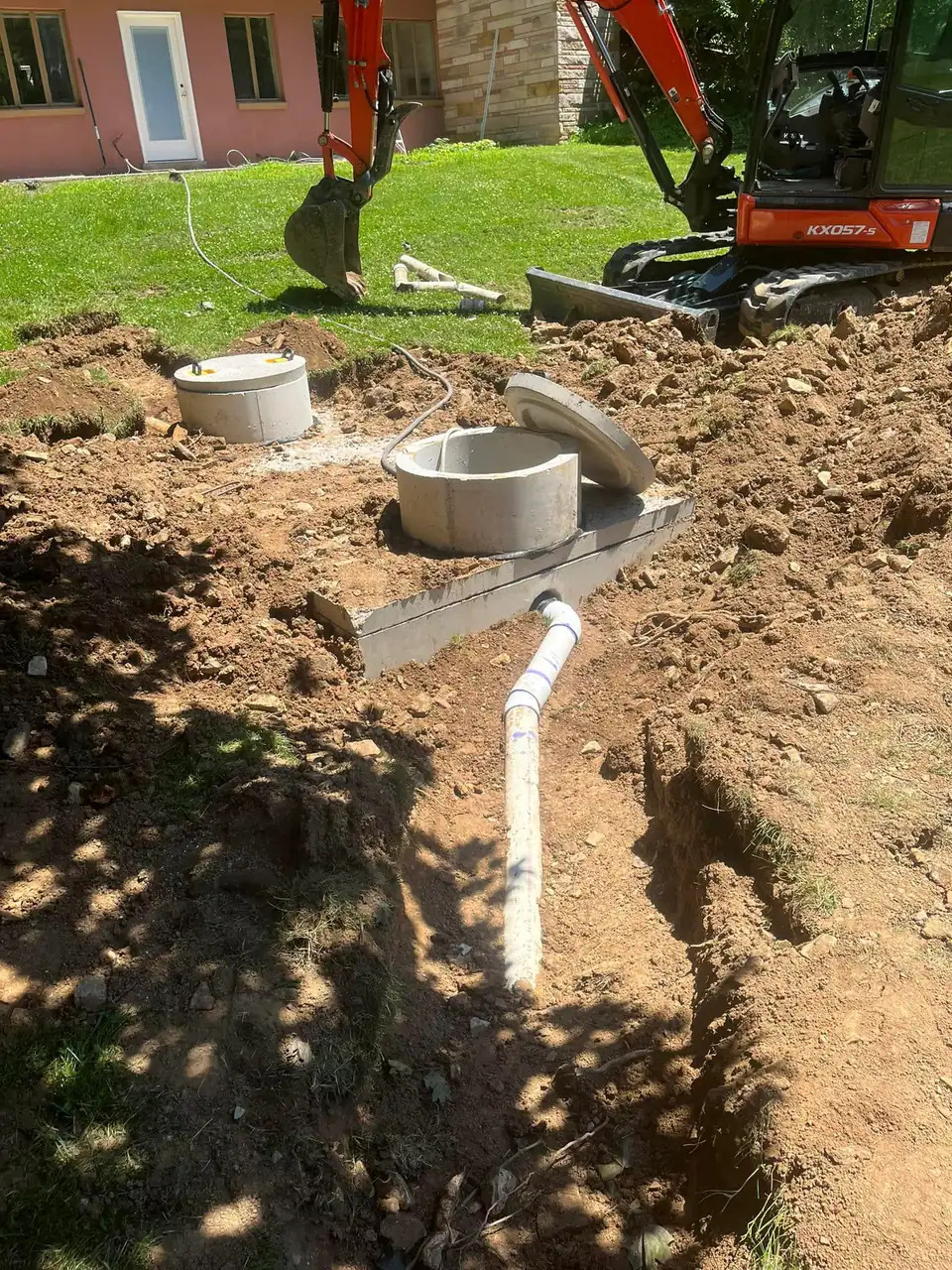
Price drivers to ask about on your own lot
When you compare estimates, ask how each of these was handled.
- Depth to the limiting zone found in the soil test.
- Slope of the absorption area, which affects how much effluent each foot can take.
- Whether the design is conventional, alternate or advanced treatment, and any proprietary components.
- Daily flow the system is sized for, measured in gallons per day.
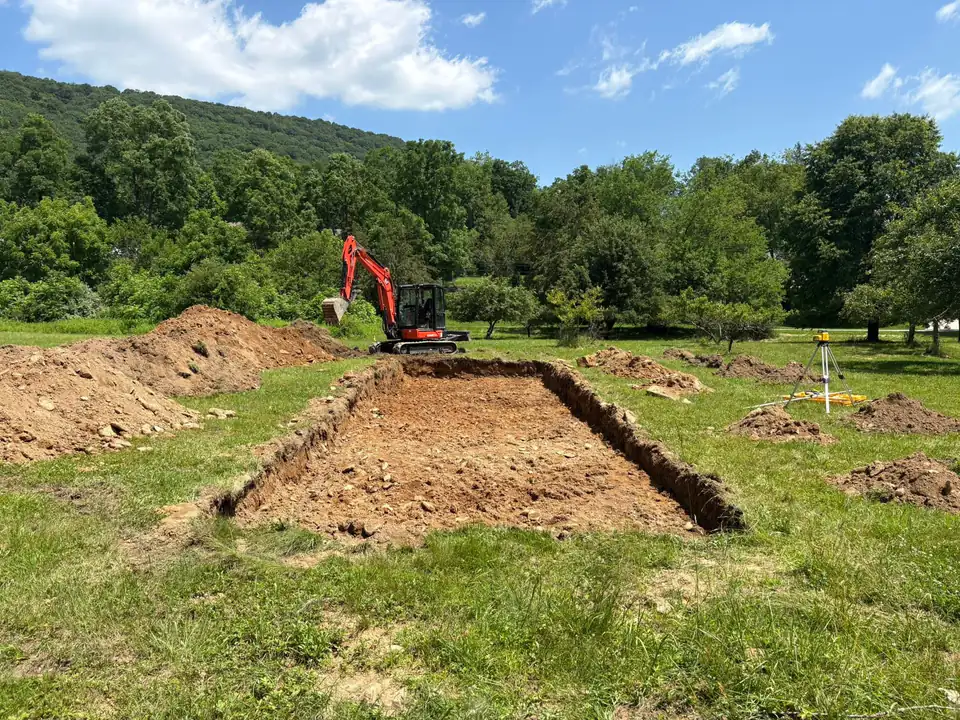
How B&K estimates have gone, according to reviewers
B&K is licensed or registered and insured. What follows comes from Google reviews of other projects, not septic-specific promises. Ralph Smith got a fair estimate for a trailer pad over the phone within 15 minutes because Bob knew the area, and his final bill came in slightly under it with no hidden costs. Nancy Saxton-Mattie had her estimate the same evening as the visit. Susanna Hummer says they will work with you on what you can afford.
Common questions
How much does a new septic system cost in Central Pennsylvania, and does soil change the price?
Soil does change it. Under Chapter 73, a limiting zone (a seasonal high water table, rock with open joints or fractures, or soil so slowly permeable it holds back effluent), together with soil makeup and slope, shapes what system can go in and how it is sized. For a figure that fits your lot, ask for an estimate by calling (814) 355-7963 or through the three-step quote form.
How do conventional and aerobic (ATU) systems compare on upfront and ongoing cost?
Chapter 73 doesn't give prices or running costs. It does show the difference in parts: advanced secondary treatment uses physical, biological and chemical steps to reach 10 mg/L or less CBOD5 and suspended solids, and pumped designs add dosing or lift pumps. Ask each estimate to list the components it includes.
Who decides whether my soil works for a conventional system?
Chapter 73 relies on soil evaluations by a qualified soil scientist, registered professional geologist or registered engineer with soils experience; a sewage enforcement officer or the state determines when an existing system is malfunctioning.
Next step
Start the three-step quote formSources
- Chapter 73 Draft Proposed — files.dep.state.pa.us