

How should the lot be graded so water drains away?
Shape the ground around the house so surface water is carried away from the foundation instead of collecting beside it. TrueBuilt Home describes grading as the step that steadies the site and gives it proper drainage, and notes that standing water near a house can lead to foundation trouble later. Where the existing ground is too low, fill is brought in and compacted to reach the planned grade.
- Goal: the finished surface sheds water away from the foundation, with no low spots where it can pool.
- Low areas may need added fill, compacted to hold the grade.
- Grade levels should follow the approved site plan and local building codes.
- Rain gardens or retention basins can help control water naturally and double as landscaping.
- Sloped or unstable lots may need natural drainage paths changed to keep the soil stable.
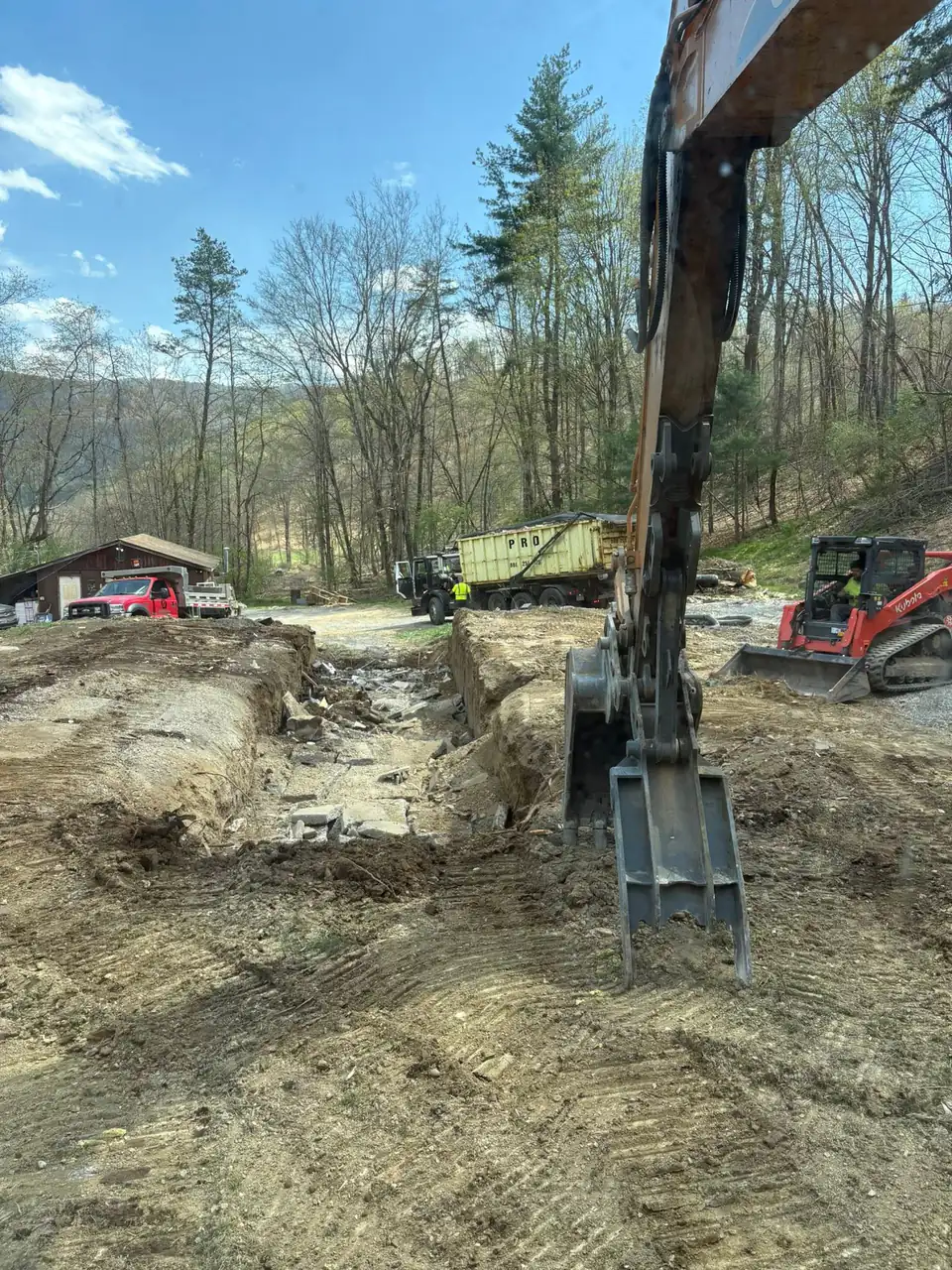
Why clay soil changes the plan
Test the soil before you count on it. TrueBuilt Home points out that soil testing, often including a percolation test, confirms the ground can carry the house and checks whether it is suitable for drainage. A geotechnical engineer can find hidden conditions such as expansive clays and recommend how the foundation should be built.
- Soil testing checks whether the ground can support the home and how suitable it is for drainage.
- A perc test is a common part of that drainage check.
- Expansive clay is one of the hidden conditions a geotechnical engineer may turn up.
- When the soil is a problem, gravel or compaction may be added to steady the foundation.
- The aim is a foundation that resists shifting from moisture and temperature changes.
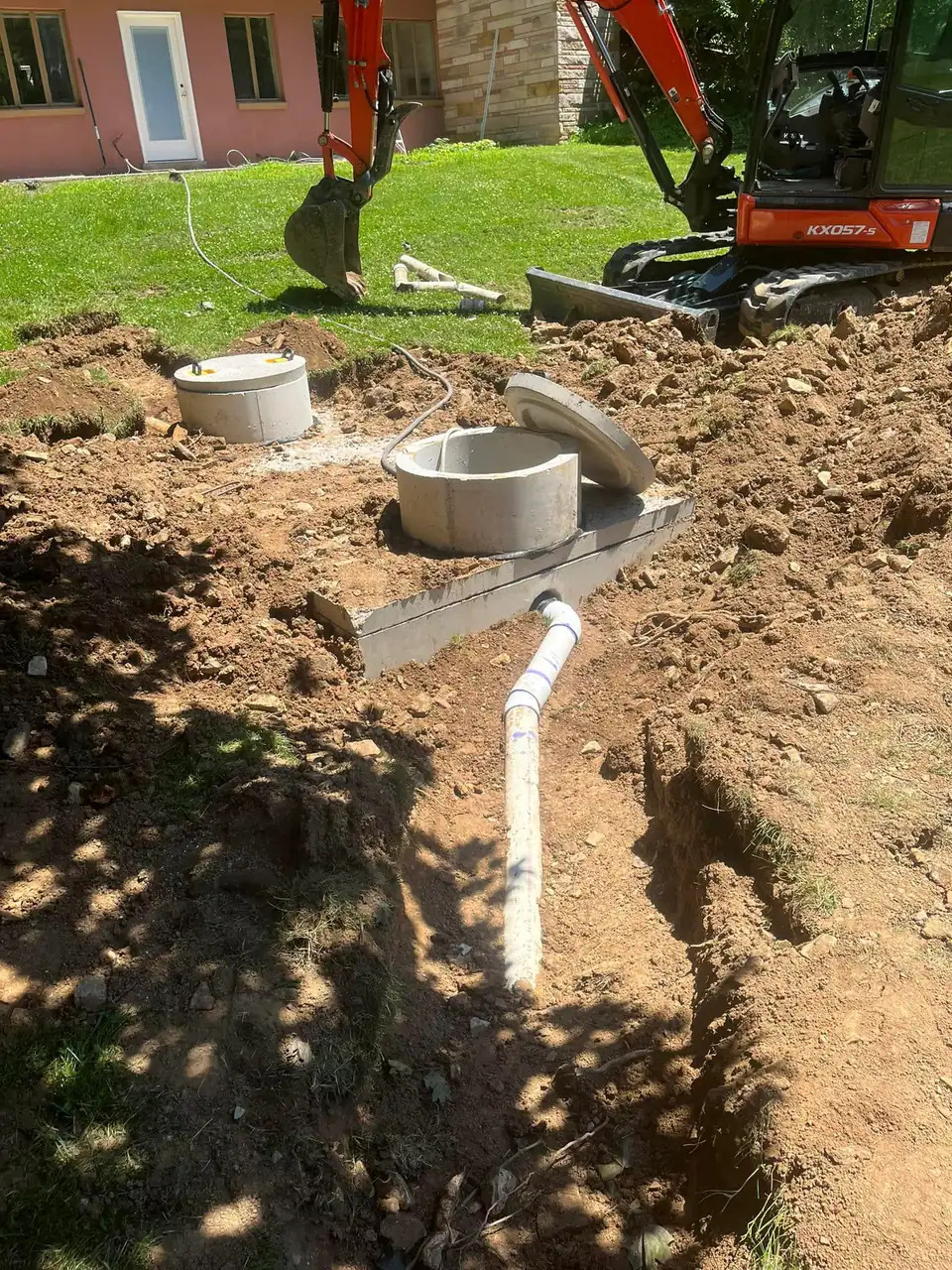
How wet weather affects site work
TrueBuilt Home calls erosion control essential during and after construction, and says a solid access road keeps a site operational in adverse weather, which reduces delays.
Weather can also shape scheduling. One reviewer says Bob and his son Kurt came out on a Tuesday for an estimate and offered to return the next day because bad weather was on the way.
- Silt fences and straw wattles hold soil on site and keep sediment out of nearby waterways.
- Erosion controls should still be in place at final cleanup.
- Compact gravel or temporary steel plates can carry heavy trucks without tearing up the ground.
- Clear, stable access cuts the risk of accidents and delays from an inaccessible site.
Where grading fits in a new build
TrueBuilt Home lists the steps roughly in this order.
- 1. Survey: boundaries, setbacks, easements, utility lines and septic locations.
- 2. Soil testing: load-bearing capacity, drainage and any expansive clay.
- 3. Clearing: remove vegetation, structures and anything buried in the way.
- 4. Grading: shape the surface for stability and drainage, following the site plan.
- 5. Erosion control and drainage planning: move water away from the foundation.
- 6. Excavation: dig for a slab, crawl space or basement.
How B&K approaches grading and runoff
B&K has been asked to estimate grading work and is licensed or registered and insured. One homeowner asked B&K to estimate grading an area where 13 large hemlocks were being replaced with inkberry holly. Because that area diverts a lot of rain runoff from the house, Kurt wanted to see it before the stumps were ground, and explained that it's sometimes best to remove stumps entirely.
According to reviewers, the person who calls you back often comes out, looks at the area and writes the estimate, sometimes the same evening. In one case, an estimate was given by phone within 15 minutes because Bob knew the area. These accounts come from B&K's Google reviews and are not promises.
Common questions
How should the lot be graded so water drains away from the house?
Shape the ground so surface water runs away from the foundation with no low spots for it to pool in. Compact any fill used to raise low areas, and follow the approved site plan. If grading alone won't do it, French drains or dry wells can direct runoff away from the building, and rain gardens or retention basins can help control it naturally.
How does Pennsylvania's spring weather and clay soil affect site work?
In wet weather, erosion controls and a stable gravel access route help keep soil in place and the site workable.
I already see water at my foundation. What now?
If water is reaching your foundation, the next step is an estimate. You can call (814) 355-7963 or use the three-step quote form.
Next step
New home site preparation in JulianSources
- Home Build Site Preparation | True Built Home — TrueBuilt Home